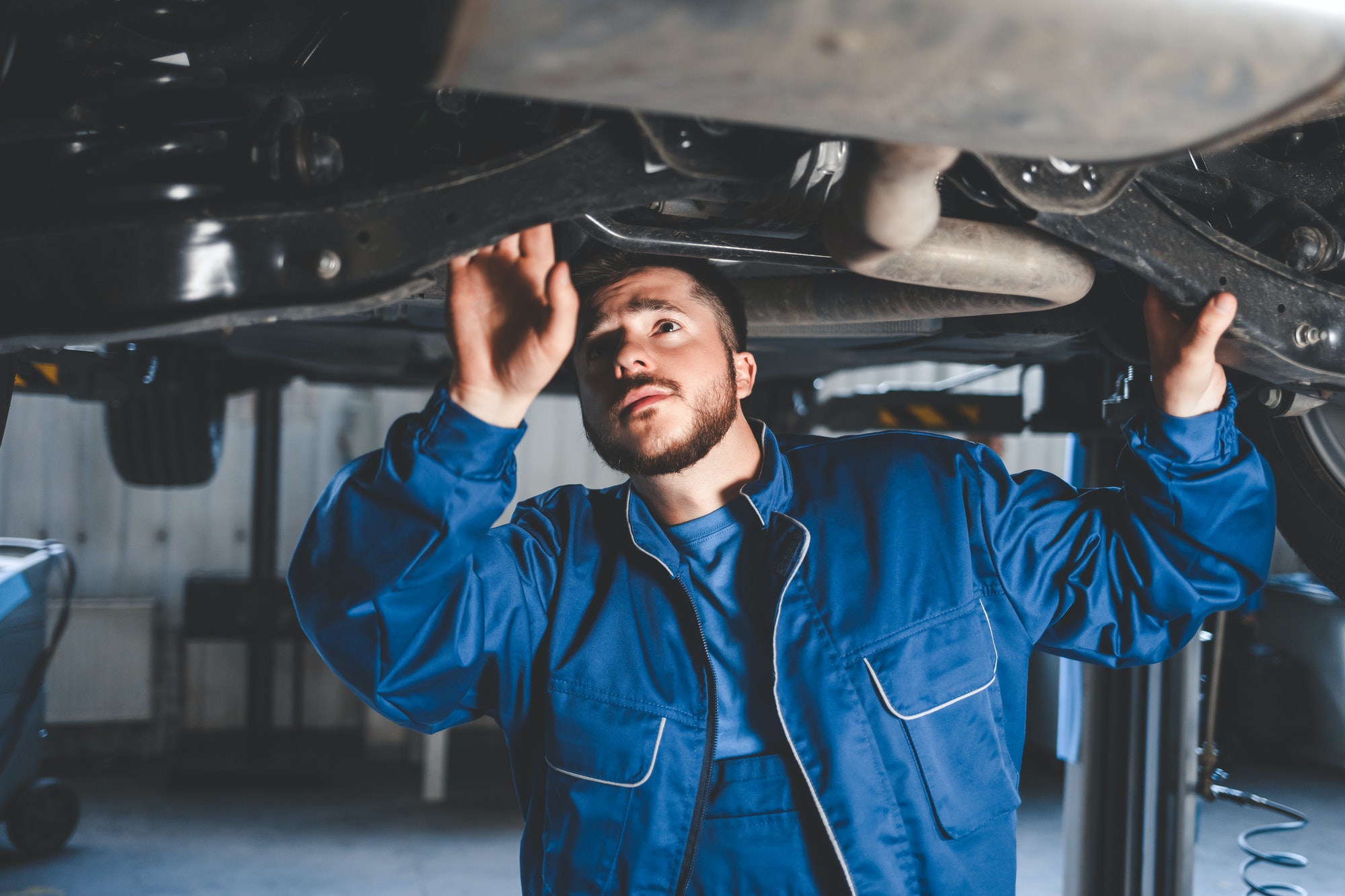
Before you buy a used car, have an independent mechanic inspect it. A pre-purchase inspection can find problems that a test drive and a history report can miss, like hidden accident repairs, leaks, worn suspension parts, or stored trouble codes. It costs far less than the repairs it can uncover, and it gives you facts to negotiate with or a clear reason to walk away.
Free checks to do before the inspection
These take a few minutes online and can rule out a car before you spend anything:
- Vehicle history report. Look for accidents, title problems, ownership history, and mileage records that don't line up.
- Title brand check. The federal NMVTIS database (vehiclehistory.gov) lists approved providers that show brands like salvage, rebuilt, or flood.
- Open recalls. Enter the VIN at nhtsa.gov/recalls. An unrepaired recall isn't always a deal-breaker, but you should know about it.
What a pre-purchase inspection typically looks at
Every inspection is different, but a thorough one usually covers:
- Engine and transmission: leaks, fluid condition, unusual noises, and how the car shifts.
- Computer scan: stored or recently cleared trouble codes. Codes that were erased right before a sale are a red flag.
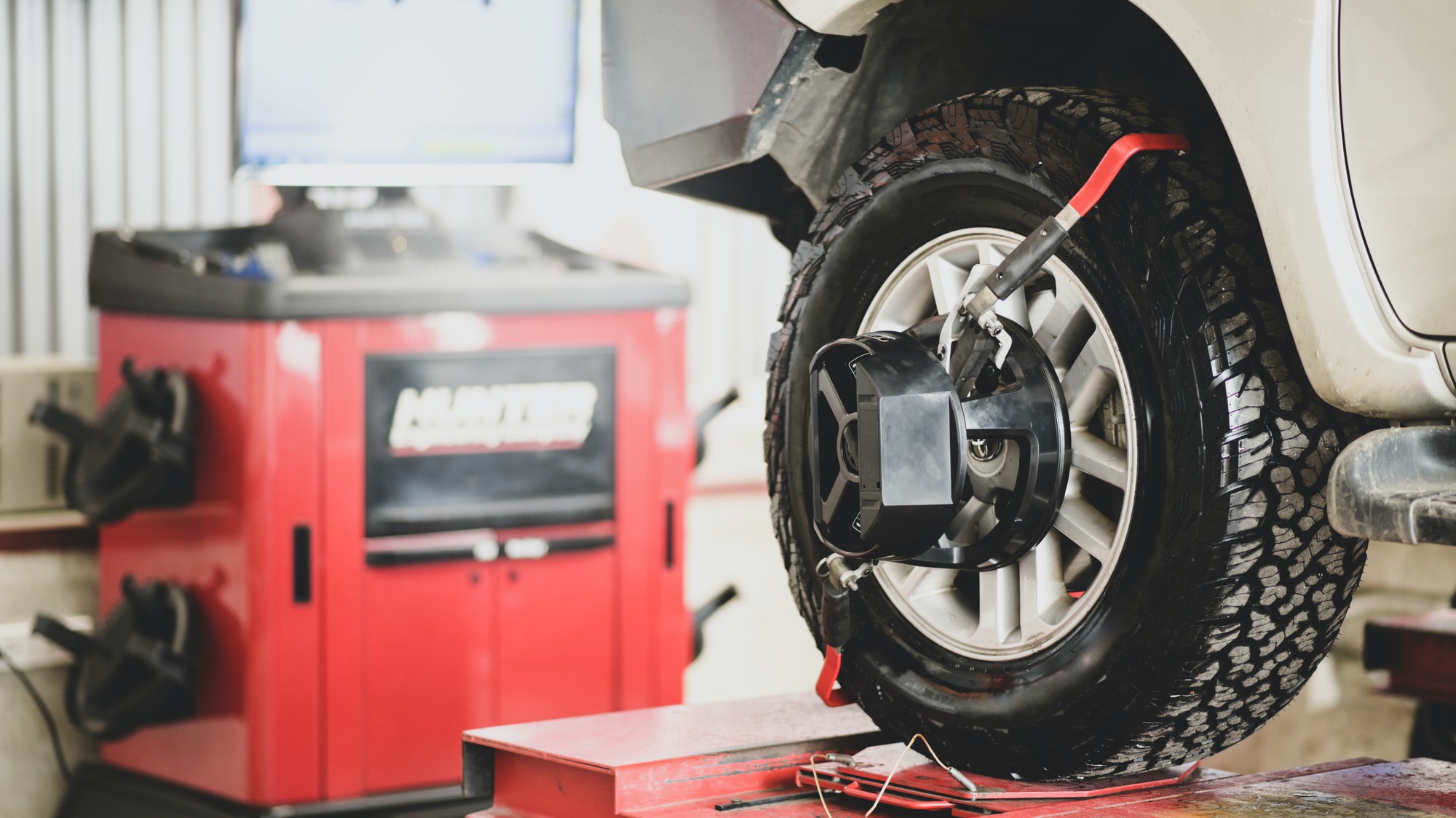
- Brakes, tires, and suspension: remaining pad and tread life, uneven wear that points to alignment problems, and worn shocks, struts, or bushings.
- Underbody and frame: rust, damage, or signs of past repairs.
- Body and paint: mismatched panels, uneven gaps, or overspray that suggest accident repair.
- Electrical, A/C, and heat: lights, windows, climate control, and the battery.
- Road test: steering, braking, vibrations, and noises at different speeds.
You'll come away knowing what needs work now, what's coming up soon, and roughly what you'd be taking on.
Red flags that should make you pause
- The seller refuses an independent inspection.
- The title is branded salvage, rebuilt, or flood, and the seller didn't mention it.
- Musty smells, damp carpet, or silt and rust in odd places like under the seats. These are common signs of flood damage, and flood cars from hurricane-hit states can end up for sale far from where they flooded.
- The check engine light is on, or the codes were cleared just before you arrived.
- Fresh paint or new undercoating in only one area.
- Service records that don't match the mileage on the odometer.
Bring the results to the deal
An inspection report is useful at the negotiating table. If the car needs brakes or tires soon, that's a fair reason to ask for a lower price or for the seller to fix it first. If the report turns up a major problem, you've saved yourself from a costly mistake. Once you've bought the car, our maintenance services help keep it in good shape.
Schedule an inspection
Found a car you like? Bring it by before you sign. Learn more about our pre-purchase inspection services or book an appointment.
Book an appointment or call 678-795-0331
Frequently Asked Questions
Should I get an inspection even if the car comes with a history report?
Yes. A history report only shows what was reported. It won't show a repair that was never claimed through insurance, a slow oil leak, or worn suspension parts. An inspection looks at the car itself.
What if the seller won't allow an inspection?
A seller who has nothing to hide usually agrees to an independent inspection. If they refuse, treat that as a warning sign and consider walking away.